

 BeforeAfter
Pro templatePremiumProfessional
Professional category, on a 4:5 portrait canvas, with Inter Bold labels reading Before Reno and Transformed, over a gradient ground. Drag the handle to see it work.

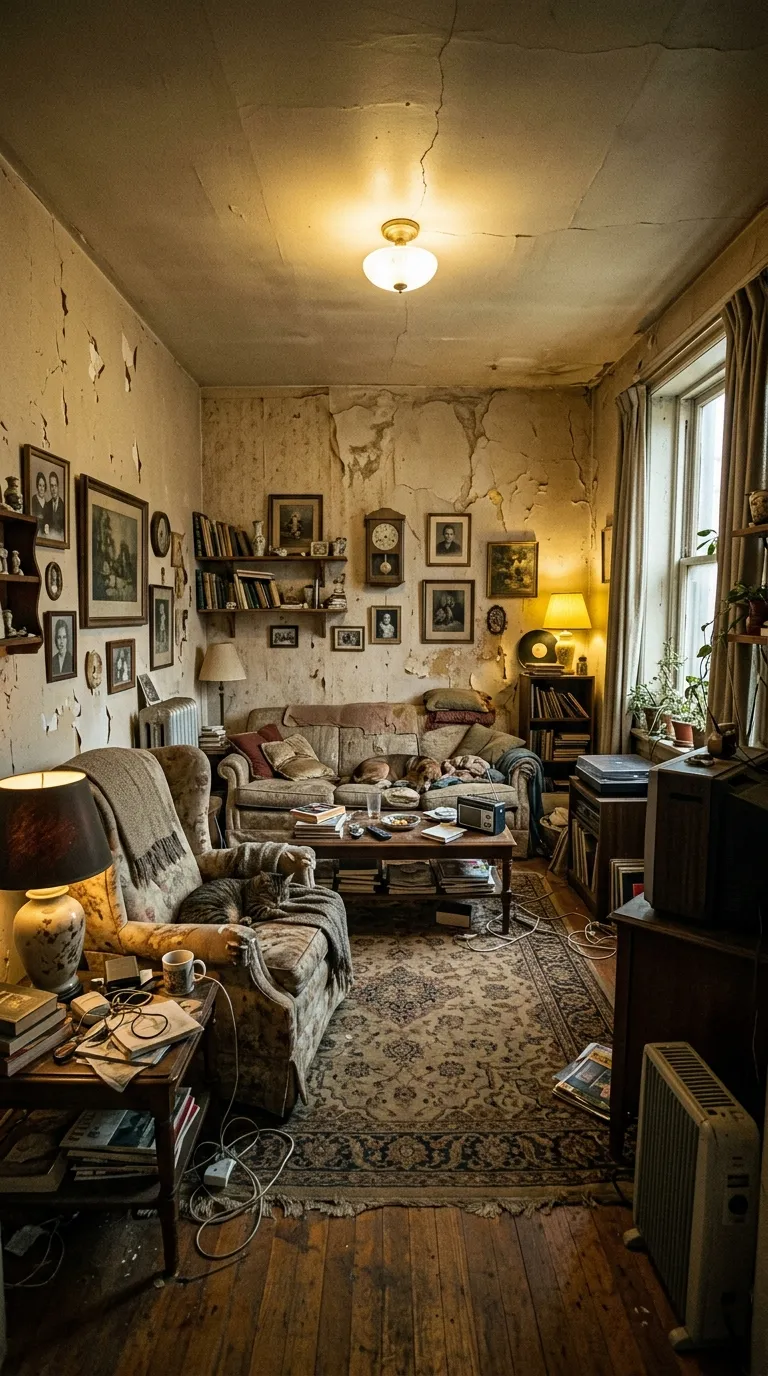 Before RenoTransformed
Navy and gold, portrait, dated, with a deep band for an agency name, and labels already reading Before Reno and Transformed. It is the listing frame: a portrait crop takes a room from ceiling to floor, gold on navy is the palette half the industry already prints on, and the reserved strip means the post carries the office rather than the individual agent.
The ground is a gradient of 2 stops, running #1A237E into #283593 behind the pair rather than over it. 3 points of #FFD700 hold the two photographs apart, with Inter Bold labels bottom left. The canvas is 4:5 portrait, rounded by 8 points, and the labels arrive reading Before Reno and Transformed. Under the pair the template holds back 64 points for a logo and a business name, which is what makes it worth using twice. It arrives with the date stamp switched on, because work in this register is usually being dated as well as shown.
Every value here was read out of the shipped build rather than typed by hand, which is the standard this category asks of your photographs too. The diagram renders the frame at the scale the editor composes it: the outline, the placement and weight of the rule, the label corner, and the depth of any strip held for a practice name.
Read out of the shipped app build by the catalogue extractor, not typed.
Consistency is the whole claim. A professional pair is trusted because the second photograph was taken the way the first one was: same distance, same lens, same light, same background, nothing moved and nothing flattering added between them. Date stamps are on by default in most of this category for exactly that reason. If your practice photographs results as a matter of routine, fix the setup once, mark the floor, and reuse it, because a series shot the same way every time is worth more than any single dramatic pair.
A documented pair has to survive somebody looking closely at it, so look closely first. The free slider in your browser compares the two without either photograph leaving your device, and returns a verdict in about two seconds. The guide to pairs that read as fake sets out what causes one.
Quiet framing does not make a claim true, and this site is not the place for advice about what you may publish. Consent, patient privacy and the advertising rules that apply to your profession are yours to check, and they differ by country and by registration. On the app's side: the branding strip is a reserved band, so a wide logo gets scaled to fit rather than cropped, and the date stamp shows the date the export was made rather than the date a photograph was taken.
On this template in particularThe branding strip is a reserved band of a fixed depth under the pair rather than an overlay, so a tall or unusually shaped logo is scaled to fit inside it. It is one logo and one business name in one place, which is the whole of the app's branding.
Without upgrading
BeforeAfterOpens on the free tier, on a 1:1 square canvas with Inter Bold labels.
Same pack, other end

 BeforeAfter
A lighter ground in the same pack, with a 2 point #3498DB rule.
Same shape, other register
BeforeAfterThe same 4:5 portrait canvas, filed under niche rather than professional.
Same label face
BeforeAfterAlso set in Inter Bold, so a series can change frame without changing voice.
Back up to every professional template, or to the whole catalogue. The free browser slider is at the slider tool, and the hashtag research by trade starts at the hashtag index.
Two photographs, one template, and a reveal that plays in about four seconds. Three exports a day are free, each behind a short rewarded ad.