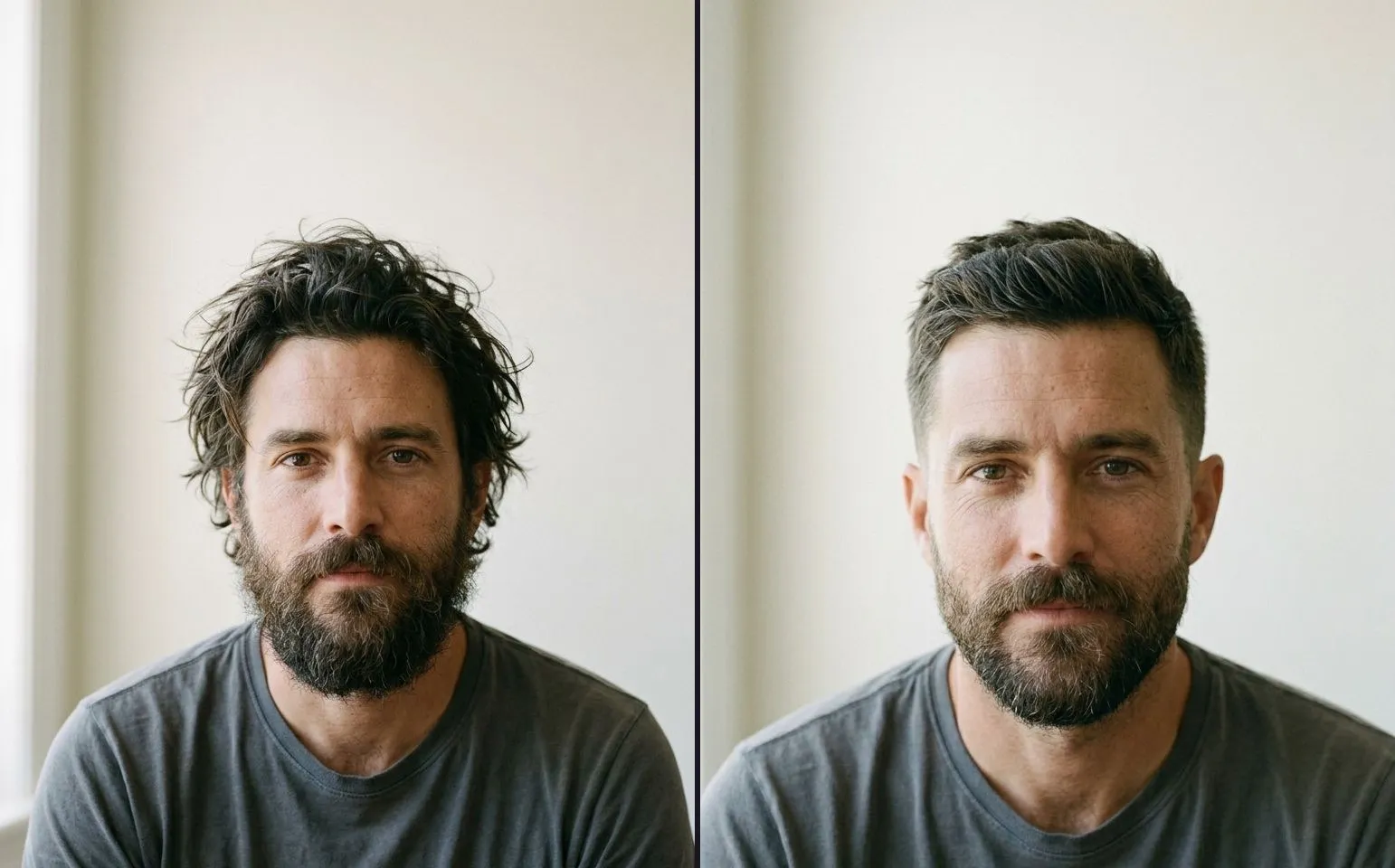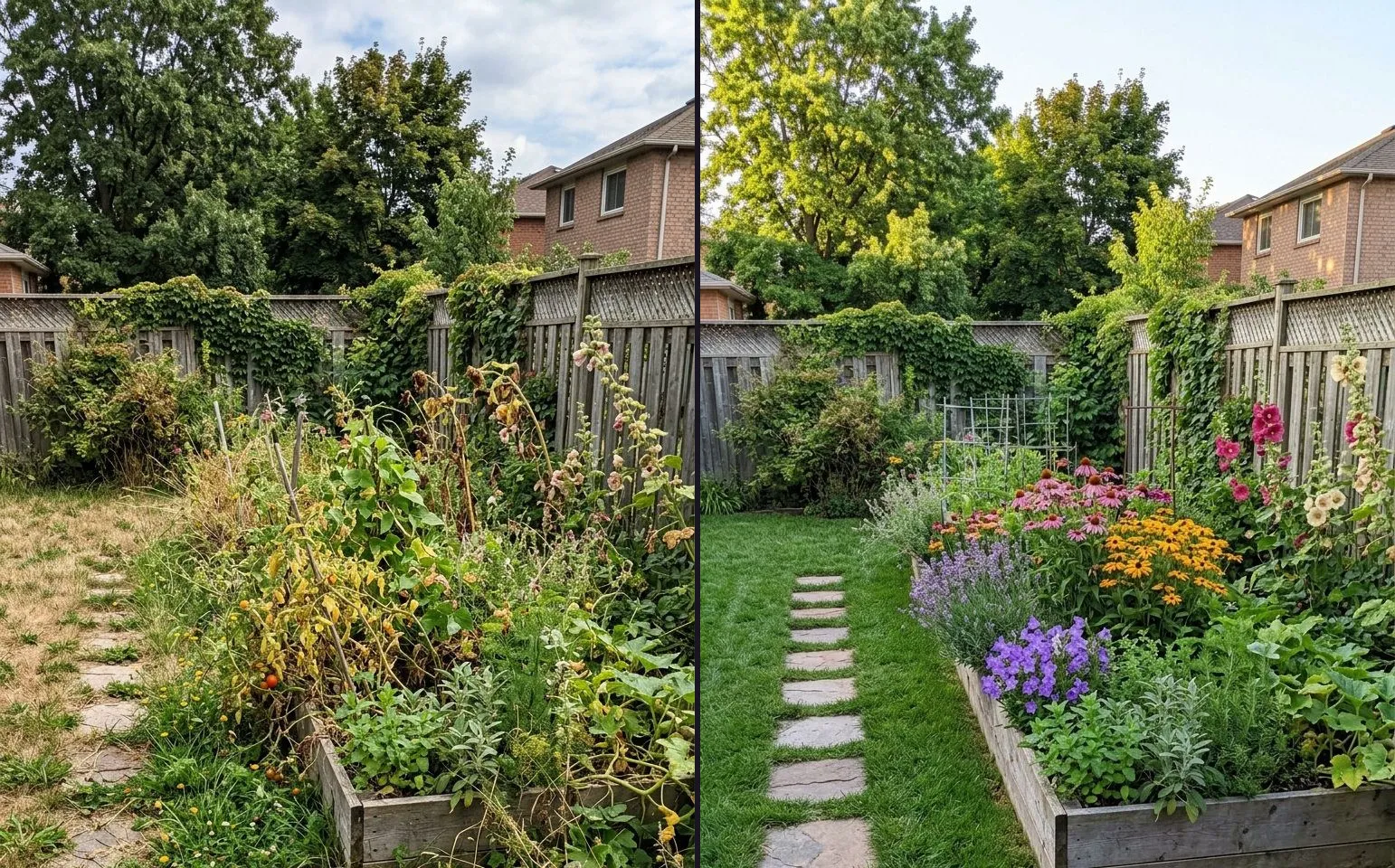
Getting Permission to Post a Client's Before and After
A before and after is the client's face, their home or their car, not just your work. Here is what a permission actually needs to cover, and when to ask for it.
You just finished a job that photographed well. The driveway is split clean down the middle, the client’s hair caught the light exactly right, the room looks like a different room. You want to post it this week while the before and after still feels fresh. There is one thing you have not done yet, which is ask the person in the photo whether that is alright with them.
Most trades on this site get this backwards without meaning to. The permission question gets asked, if it gets asked at all, at the moment the client is standing in front of the finished work looking pleased, because that is the moment it occurs to you to ask. It is also the worst possible moment to ask, and the fix is not a form, it is moving the question to a different part of the job entirely.
Ask at the booking, not at the reveal
A client who has just seen their own result is flattered, a little high on it, and in no position to say no comfortably even if some part of them would rather not be tagged, named or shown online. A yes given in that moment is real, but it is a weaker yes than the one you would get earlier, and it is the yes most likely to turn into an awkward message from the client a week later asking you to take the post down.
Ask before the first photo is taken, when you are booking the job or confirming the appointment. At that point nothing has happened yet, there is no finished result anyone is proud of and no social pressure to agree, and a client who says no has lost nothing by saying it. That is also the only point at which a no costs you nothing either: you can still shoot the before and after for your own records, decide not to post it, and move on without the conversation ever feeling like a negotiation.
This single change, asking early instead of asking late, removes most of the discomfort from both sides of the conversation. It also gives you an honest answer. A yes given before the work has happened is a yes about the idea of being posted, not about one particular, flattering result, and it holds up much better later.
What a usable permission actually covers
“Can I post this?” is not a specific enough question for either side to rely on, because the honest answer depends on four things that a vague yes never settles.
- Which photographs. A client agreeing to one before and after pair from one job has not agreed to every photograph you take of them from now on. If you want to use the pair again in a different post, a template demo, or a future ad, that is worth naming at the time, not assumed later.
- Which platforms. A yes for your own Instagram feed is not automatically a yes for TikTok, for a local Facebook group, or for a client testimonial wall on your website. Say where you intend to post it, because a client who pictured one place and finds themselves somewhere else they did not expect feels misled even when you meant no harm.
- Organic as well as paid. This is the detail trades miss most often, and it matters more than it sounds. A pair a client was happy to see on your ordinary feed is a different thing once you put money behind it and it starts appearing in front of strangers who never chose to follow you. If there is any chance you will boost the post or run it as an ad, ask about that specifically rather than letting the client discover it later. The platform policies that apply once you do are a separate subject, covered in can you put a before and after photo in a paid ad, and that page is worth reading before you boost anything, not after.
- How it is withdrawn. A client should know, from the first conversation, that they can change their mind and that doing so is simple, not a confrontation. Tell them how: a message, a call, whatever is easiest for them, and then honour it quickly when it happens.
None of this needs a lawyer or a printed contract to say out loud. It needs you to ask the specific question instead of the general one, and to remember what you were told well enough to act on it later.
The identifiable-face question, and the option most trades miss
A lot of the anxiety around this subject is really about one thing: will I be recognisable. Most clients who hesitate over a before and after are not objecting to the work being shown, they are uncomfortable with their own face being the thing strangers scroll past.
The plain option is to crop them out and keep the work. A driveway, a room, a car’s paintwork, a set of nails or a haircut from the back and the side can carry the entire before and after without a single identifiable feature in frame, and in several of the trades on this site that framing is already the better photograph, because it is the work doing the selling rather than the person. If a client is unsure about being shown, offer this before they have to ask for it. It turns a potential no into an easy yes, and you keep the post.
Where the face has to stay in frame, because the trade is hair, makeup, lash and brow work or anything else where the result is the face, the earlier conversation is the only real safeguard. There is no cropping your way out of a haircut.
The same question applies to anyone else who turns up in the frame without being the client. A cleaning job photographed in a family kitchen can catch a partner at the table or a child walking through the background. A renovation before and after taken from the hallway can catch a neighbour’s house through the window. None of those people booked the job or agreed to anything, and the honest fix is the same crop-out principle, applied before you post rather than noticed afterwards: frame the work, not the room’s other occupants, and if someone identifiable is in frame and was not asked, that is a reason to reshoot the angle, not a detail to fix in a caption.
Put the yes somewhere you can find it later
None of this needs a contract, and turning a simple conversation into a document most clients will not read is its own way of losing the booking. What it does need is something you can point back to if your memory of the conversation and the client’s memory of it ever disagree, which happens more often than either side expects once a few months have passed.
A text message is enough. Confirming the booking with a line like “happy for me to post the before and after on Instagram and our site, let me know if you’d rather I didn’t” and getting a reply back is a record, dated, in the client’s own words, that took no extra appointment and no extra paperwork. A checkbox on a booking form does the same job at a larger scale, and an email that restates what was agreed before the job starts works for jobs that already run on email. The format matters far less than the habit of having one, consistently, for every job you might want to post, not only the ones that turn out to look good.
This is also where the earlier timing pays off twice over. A permission recorded at the booking is dated before the result exists, which is exactly the evidence that matters if a client’s memory of what they agreed to ever drifts once the post is live and getting attention.
What this page is not
This is a set of general principles, not a release form and not a legal opinion. It does not tell you what is enforceable where you live, because that genuinely varies, and a trade with real exposure here, a clinic, a dental practice, or any business where a client photograph sits close to a health record, is in a different position again and should get advice from someone qualified in that jurisdiction before relying on anything this page says. What is true everywhere, regardless of what the law requires, is the simpler standard: ask early, be specific about where the photo is going, and take it down without an argument if you are asked to.
Getting the permission right does not do any of the work of making the pair itself worth posting. For that, start with how to take matching before and after photos, which covers the five things to fix so the before and the after actually match, and look at the professional template category, including Pro Brand, if the job calls for a register that reads as a record rather than a promise. The app and the free browser slider both turn two photographs you already have the right to use into something worth posting. Getting that right starts with the conversation you had before you ever picked up the phone to shoot.
Common questions
- Do I legally need a client's permission to post their before and after photos?
- In most places, if a person is identifiable in the photo, yes, and even where the law is looser than that, a client who sees their own face on your feed without having agreed to it is a client you are about to lose. This page describes the general principle, not the law in your jurisdiction. If you are unsure, ask someone qualified where you operate rather than guessing from an app's guide.
- When should I ask a client for permission to post their photos?
- At the booking, before the job starts, not after the reveal. A client who has just watched their own transformation is flattered and unlikely to say no even if they would rather not be asked, and a yes given in that moment is worth less than one given with nothing on the line yet.
- What should a before and after permission actually cover?
- Four things, stated plainly rather than assumed: which photographs, which platforms including whether that extends to paid ads as well as your own feed, how long the permission runs for, and how the client withdraws it if they change their mind later. A permission that only says yes, you can post this is not specific enough to rely on.
- Can I post a before and after if the client does not want their face shown?
- Usually, yes. Crop the frame to the work rather than the person: the hair, the driveway, the room, the car, the nails, whichever part of the pair is actually doing the selling. Most clients who hesitate over a before and after are hesitating over being recognisable, not over the work itself, and cropping them out solves that without losing the post.
- What happens if a client asks me to take a post down after I have already posted it?
- Take it down. A permission that was given can be withdrawn, and treating a past yes as permanent is the fastest way to turn one uncomfortable client into a public argument. Build the expectation that a request to remove something gets honoured quickly, and say so when you first ask.
- Is this page legal advice?
- No. It sets out general principles worth having in place before you ask anyone for a photo, not a release form, not a jurisdiction-by-jurisdiction breakdown, and not a substitute for advice from someone qualified where you work. A regulated trade, or any job where the stakes of getting it wrong are high, should get that advice before relying on a one-page guide.