

 BeforeAfter
Pro templateTattoo StudioNiche
Niche category, on a 4:5 portrait canvas, with Inter Bold labels reading Before and After, over a gradient ground. Drag the handle to see it work.
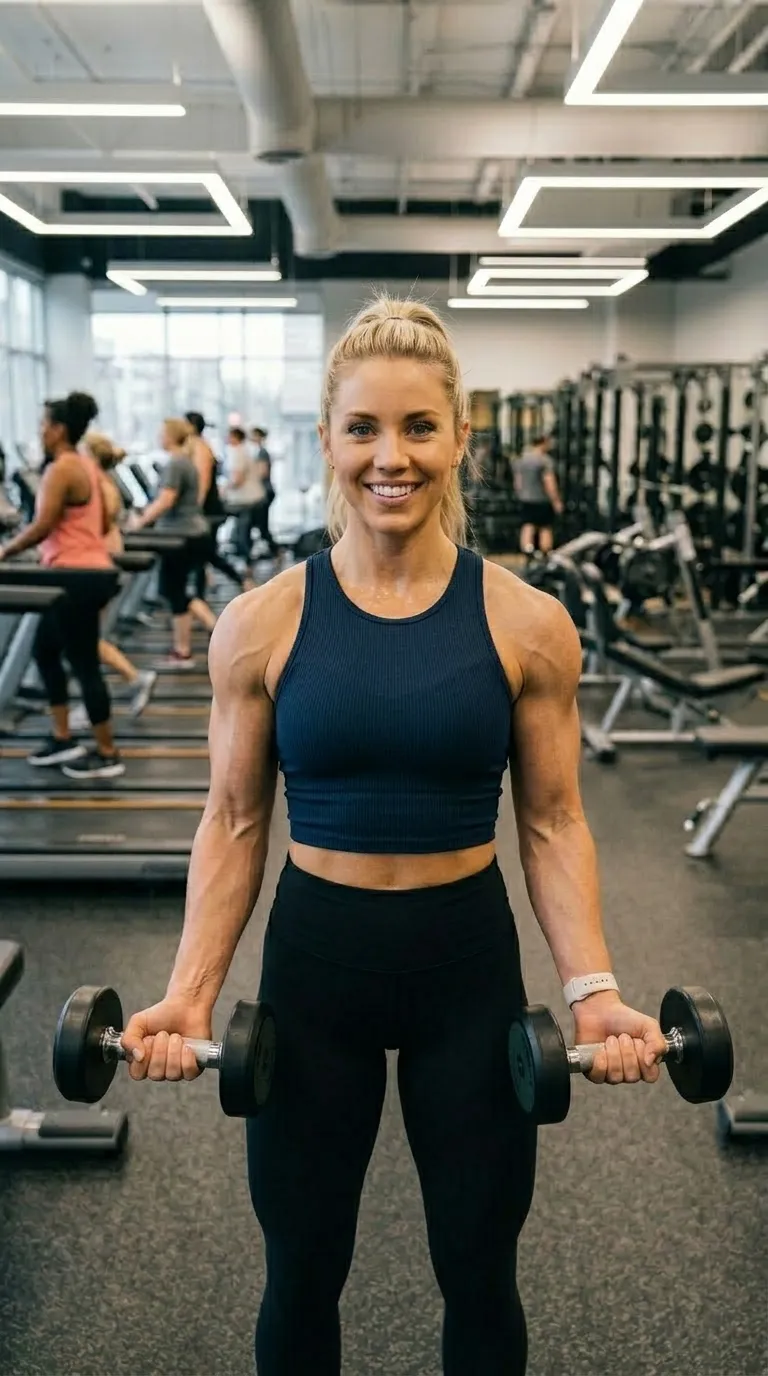
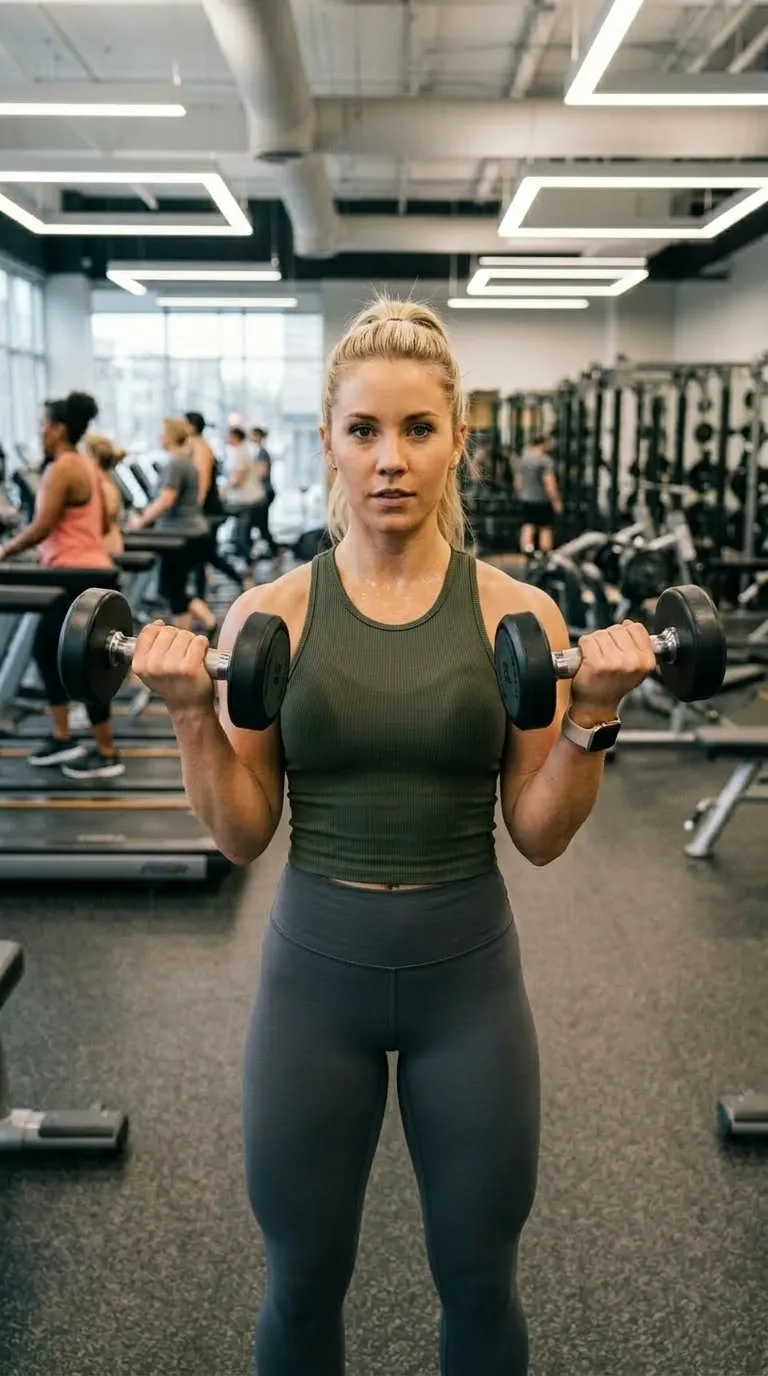 BeforeAfter
Charcoal ground, a grey rule, soft grey labels at the bottom left, a band for the studio name, portrait, dated. It is the cover-up frame: no colour anywhere in the border, so a coloured cover over a dark original is the only chromatic event on screen, and the date answers the healing question before anybody asks it.
#1C1C1C shades into #0A0A0A behind the two halves, and that wash is part of the template rather than a filter on your photographs. The rule between the halves is #888888 at 2 points, and the wording sits bottom left in Inter Bold. It ships with Before and After already typed, on a 4:5 portrait canvas, rounded by 8 points. A band of 48 points is reserved under the pair for your logo and business name, so the post carries the company rather than the app. The date stamp is on by default, which is what you want on a series where the gap between the two shots is part of the claim.
What makes a trade template a trade template lives mostly in the small values: the wording already sitting in the labels, the palette, the crop it was cut to. The geometry is drawn below at the app's drawing scale, and the panel next to it lists the record's words, default labels included, so the retyping you avoid is visible up front.
Read out of the shipped app build by the catalogue extractor, not typed.
Trade work is judged by people who do the same work, so the pair has to survive an expert eye. Hair and makeup need the same head angle and the same light, because a chin lifted two inches reads as a different face. Nails need one fixed distance, hands in the same position both times. Detailing and landscaping need the wide shot before the close-up, or nobody believes the panel belongs to the car. A pair that would satisfy somebody in your trade will satisfy a customer easily.
Trade work gets judged by people who do the same work, so hold the pair up to that eye before it goes out. The browser slider tool does it on your own device in about two seconds, and the guide to fake-looking pairs is built around the mistakes trade pairs make most often.
A template tuned to a trade is a palette and a default label, nothing more. It does not know your subject, and it will happily frame a pair that does not match. The two hardest cases in this category are honest ones: hair and makeup change with the light, so a warm salon bulb over the after does most of the work you were hoping the haircut would do, and a pet photographed wet looks like a different animal from a pet photographed dry. Shoot both frames dry, in the same spot, or the post argues with itself.
On this template in particularThe branding strip is a reserved band of a fixed depth under the pair rather than an overlay, so a tall or unusually shaped logo is scaled to fit inside it. It is one logo and one business name in one place, which is the whole of the app's branding.
Without upgrading
BeforeAfterOpens on the free tier, on a 1:1 square canvas with Inter Bold labels.
Same pack, other end
BeforeAfterA lighter ground in the same pack, with a 1 point #222222 rule.
Same shape, other register
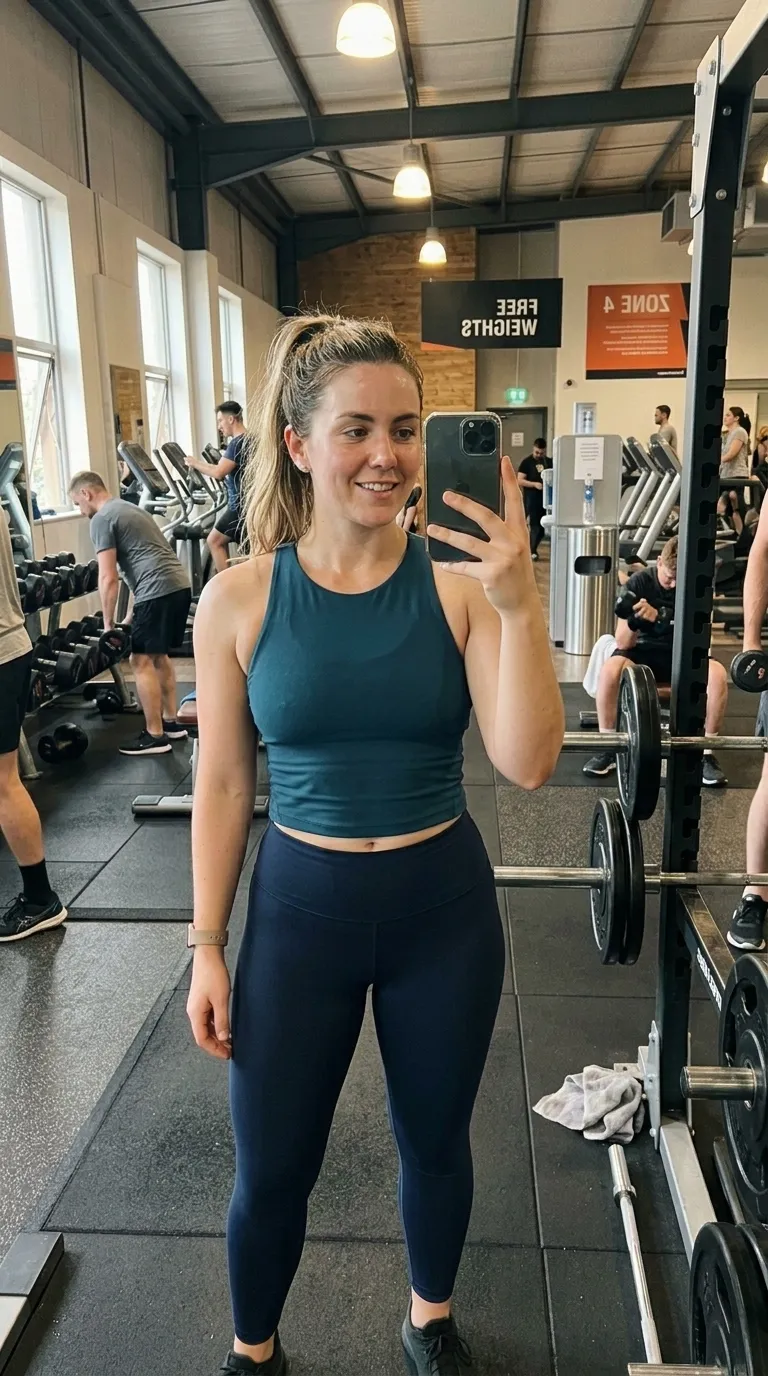
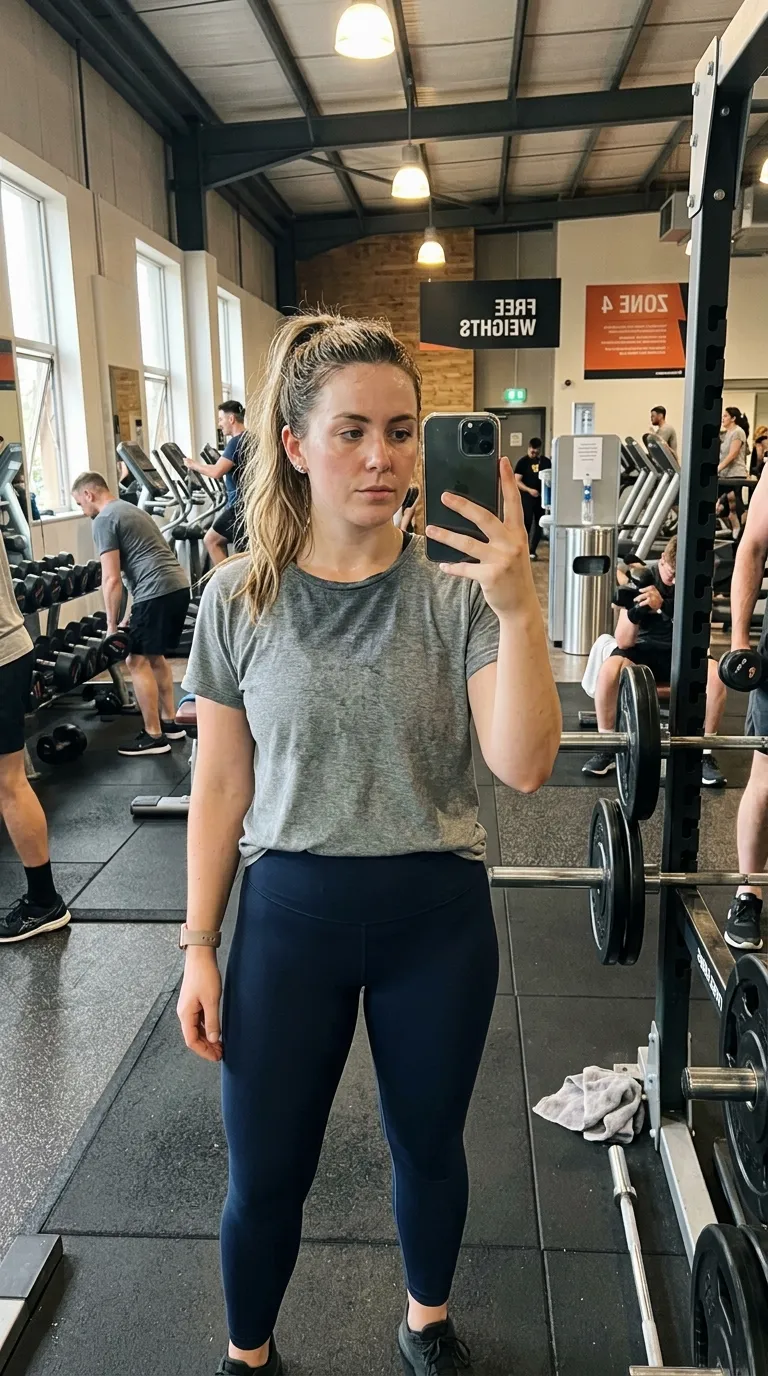 RawEdited
The same 4:5 portrait canvas, filed under clean rather than niche.
Nearby in the catalogue
BeforeAfterclean category, 1:1 square, Free pack.
Back up to every niche template, or to the whole catalogue. The free browser slider is at the slider tool, and the hashtag research by trade starts at the hashtag index.
Two photographs, one template, and a reveal that plays in about four seconds. Three exports a day are free, each behind a short rewarded ad.