One Job, a Week of Posts: The Shot List for Trade Content
A single job can carry five different posts if you take five specific photographs in a fixed order. Here is the shot list, the posting order, and the discipline that makes both work.
You finish a job, post the before and after reel the same afternoon, and by Wednesday you are staring at the app wondering what else there is to say. The work was good. You are just out of things to post about it, because you took one photograph of the result and called it content.
One job is not one post. It is five, if you take five specific photographs instead of one, and if you take them in an order that gives each post something different to do. This is the trade-agnostic version of that method: the shot list once, written so none of the individual trade pages on this site have to repeat it.
The one visit that gives you a week
Everything below happens on a single job, in one visit, in this order. Nothing here requires a second trip, a second booking or a client who agrees to be photographed twice on different days. That is deliberate. A method that depends on a return visit will get skipped on the busy weeks, and the busy weeks are exactly when you have the most worth posting.
The five frames, taken in this sequence:
- Arrival wide. The whole scene, before anything is touched, from a fixed spot.
- Arrival detail. Close on the specific thing that is wrong: the stain, the mess, the broken edge, the overgrowth.
- Mid-job. Hands on the tool, mid-task, not posed. This is the only frame on the list that does not need to match anything else.
- Finished wide. The same spot, height, distance, lens and light as the arrival wide. This is the harder half of the pair, and the one people rush.
- Finished detail. The same framing as the arrival detail, on the same spot that was wrong.
That is the whole shot list. Ten seconds each for the two detail frames, the time it takes to compose for the two wides, and the mid-job frame whenever it happens to look right. None of it meaningfully slows the job down.
Why this particular five
Each frame on the list exists because it does a job later that none of the others can do. Drop one and you lose a specific post, not just a photograph.
The two wide frames are the pair that proves the whole job happened: same spot, same everything, nothing moved except the thing you were paid to change. The two detail frames are the pair that proves the specific complaint got fixed, which matters more to a prospective client than the wide shot does, because it answers their actual question rather than a general one. The mid-job frame is the only evidence that a person did this rather than it happening by itself, and it is the frame that makes the other four believable.
If you have shot matching pairs before, the method behind frames one and four, and frames two and five, is the same five numbers from how to take matching before and after photos: the spot, the height, the distance, the lens and the light. Nothing about turning one job into five posts changes that method. It just asks you to apply it twice in the same visit, once wide and once close.
Five posts, five different jobs
Here is the point of having five frames instead of one: each post can be built to do something different, rather than five variations on “look what we did.”
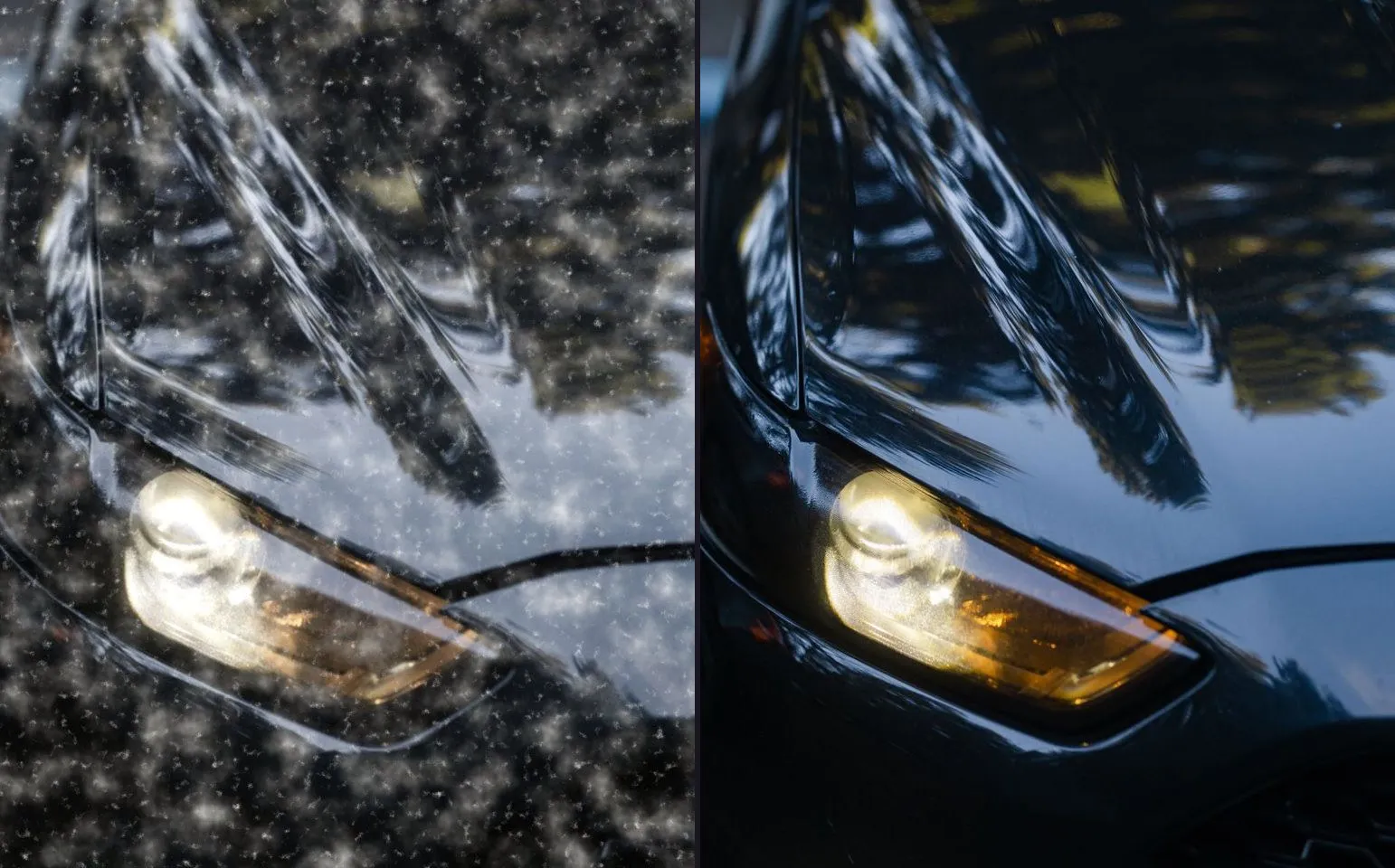
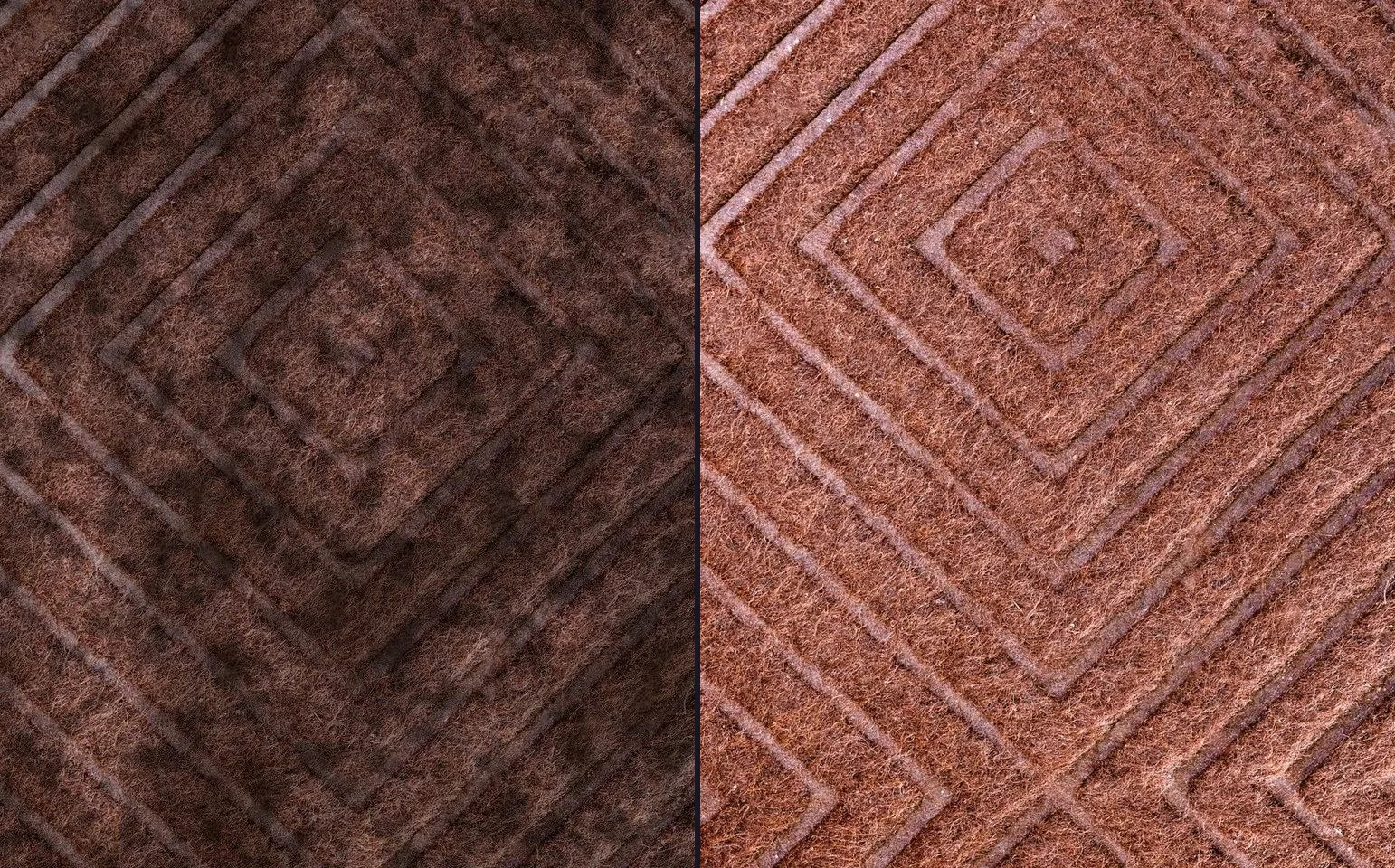
Post one, the wide reveal. Arrival wide beside finished wide, built as a before and after pair, posted first. This is the post that earns reach. It needs no caption to be understood, which is exactly why it goes out before anything that does.
Post two, the detail reveal. Arrival detail beside finished detail, posted two or three days later. This is the proof post. It answers the specific question a prospective client actually has, which the wide shot answers in general and this one answers exactly.
Post three, the process shot. The mid-job frame, alone, posted midweek. No pair, no reveal, just the work in progress with a caption about how the job actually goes. This is the post that builds trust rather than attention, and it is the easiest of the five to write a caption for because you are just describing what is in the frame.
Post four, the arrival wide, alone. Reposted later in the week with a different caption: ask a question about the problem, or invite people to guess what the job was. This works because the frame already exists and the first post has faded from the feed by the time it goes out again.
Post five, the finished wide, alone. The back end of the fortnight, with a caption about booking or availability rather than about the result. By this point the reveal has already run, so this post’s job is converting rather than showing.
Five posts, five different captions, five different jobs for each one to do, from one visit and five photographs. Spread them over a week to a fortnight rather than a single day. Posting all five at once spends the whole job in one afternoon and gives you nothing for the following week, which defeats the point.
The part everyone skips
Here is the discipline this whole method depends on, and it is the part that gets skipped under time pressure: the arrival wide and the finished wide have to actually match, and so do the two detail frames. If they do not, posts one and two do not exist as pairs. You are left with five unrelated photographs instead of a planned week, and the two posts that were supposed to carry the most reach are the two you have lost.
This is not a new skill. It is the same five things recorded in how to take matching before and after photos: mark the spot, fix the height, fix the distance, lock the lens at 1x, and use the same light both times. The only difference here is that you are doing it twice, once for the wide pair and once for the detail pair, inside a job you are also trying to finish on time.
The habit that actually works is writing the five lines down the moment the arrival frames are shot, not trying to remember them hours later when the job is done and you are tired. If the before photograph for either pair was never taken properly in the first place, read taking the before photo before you start, because the shot list above only works if frame one and frame two happen before anything moves.
Building the five posts without rebuilding each one from scratch
Once you have the five frames, the app turns the two pairs into finished posts without you redesigning anything for each one. Our app is a photo pair in, a video, GIF or still image out, there is no video import and nothing here involves comparing two video clips.
For the two pair posts, a template built for a feed reel works for both the wide reveal and the detail reveal; the Reels Ready template is built for exactly this and is one of the eight free templates, so neither post costs you a Pro upgrade. For the three solo frames, posting straight to a Story keeps the week moving without inventing a new look for a single photograph; the Story template is sized for that. The wider social template category has the rest of the set if a different platform shape suits your week better.
The free tier covers this without friction: three exports a day, each behind a rewarded ad, 9:16 and 1:1 only, Slider Reveal only, with a watermark on. What it never gates is the part that actually makes the five posts look like they belong to the same business: all four comparison modes, the full label editor, and your logo and business name on every export. If you want to check that the arrival and finished frames actually line up before you build anything, drop both into the free before and after slider in your browser and drag the handle. A matched pair holds still. A mismatched one jumps, and you will see it before you post it rather than after.
What this buys you over a month
Run this on every job and the arithmetic changes. One job used to mean one post and then a gap until the next booking. Five frames from one visit, spread over a fortnight, means two jobs a month can carry a full month of posting without you ever standing in front of a job you are not already doing, trying to think of something to shoot. The content stops being a separate task from the work, because the work is where all five frames came from.
If your trade has its own hashtag and caption page live, start there once you have the posts built; the hashtag index lists every trade that has one. And if you only remember one thing from this page, make it this: a week of posts is not five ideas, it is one job, photographed properly, five times.
Common questions
- How many photos do I need to turn one job into a week of posts?
- Five, taken in one visit, in a fixed order: arrival wide, arrival detail, mid-job, finished wide and finished detail. The five frames are what give you a week of different posts instead of one reveal and then silence until the next job.
- Which post should go out first from a job?
- The wide before and after pair. It is the easiest post to understand with no caption at all, and it earns the reach that the smaller, more specific posts later in the week rely on to be seen.
- Do all five posts need to be before and after pairs?
- No. Only two of the five posts are pairs, the wide reveal and the detail reveal. The mid-job frame stands alone as a process shot, and the arrival and finished wides can each be reposted alone later with a different caption, because a single photograph is still a usable post.
- What ruins a week of posts built from one job?
- A mismatched arrival and finished pair. If the camera moved, the height changed or the light was different between the first and last frame, the two headline posts, the wide reveal and the detail reveal, stop being usable as pairs and you are left with five separate photographs instead of a week of planned content.
- How far apart should the five posts be spread?
- Roughly a fortnight, with the wide reveal first, the detail reveal two to three days later, the process shot midweek, and the two solo frames filling the back half of the second week. The exact gaps matter less than not posting all five on the same day, which spends the whole job in one afternoon.
- Can I build a week of posts from a job that already happened, using photos I already have?
- Only if you already have a matching pair in the mix. A finished-only photo with no before is still a usable solo post, but it cannot become the pair posts that carry the rest of the week, which is why the habit has to start on the next job rather than this one.